 By Admin
 Rapid connection and disconnection efficiency: One of the most significant functional advantages of an Irrigation Quick Coupling Valve is its ability to enable fast and convenient connection and disconnection of irrigation equipment without requiring complex tools or time-consuming procedures. Traditional irrigation connection systems often rely on threaded joints, clamps, or permanent fittings that require manual tightening, sealing materials, and extended installation time. In contrast, quick coupling valves utilize specialized engagement mechanisms that allow operators to connect hoses, sprinklers, or irrigation devices quickly with minimal effort. This rapid deployment capability significantly improves operational efficiency, especially in large agricultural fields or commercial landscaping environments where irrigation points must be frequently relocated or adjusted. The ability to reduce downtime between irrigation cycles enhances productivity, lowers labor costs, and supports more flexible water distribution management.
Improved leak prevention and sealing reliability: An Irrigation Quick Coupling Valve typically incorporates precision-engineered sealing components such as O-rings, spring-loaded valves, or pressure-activated sealing systems that provide consistent and reliable leak prevention. Traditional irrigation connections, particularly threaded or manually sealed joints, are more susceptible to leakage due to improper installation, wear, or loosening caused by vibration and pressure fluctuations. Quick coupling designs automatically engage internal seals when connected, ensuring uniform pressure distribution and reducing the likelihood of water loss. Enhanced sealing performance improves water-use efficiency, minimizes resource waste, and maintains consistent irrigation pressure, which is critical for achieving uniform crop or landscape watering.
Enhanced operational flexibility and system adaptability: The modular design of an Irrigation Quick Coupling Valve allows irrigation systems to be easily modified, expanded, or reconfigured without extensive infrastructure changes. Users can connect different types of irrigation equipment—such as sprinklers, hoses, or portable irrigation units—to the same valve interface. This flexibility is particularly advantageous in agricultural operations where irrigation needs vary based on crop type, growth stage, or seasonal conditions. In landscaping applications, quick coupling valves enable efficient watering of different zones or areas without requiring permanent piping modifications. This adaptability supports dynamic irrigation planning and improves overall system responsiveness.
Reduced installation and maintenance complexity: Compared to traditional irrigation connection methods that may require specialized tools, sealants, or skilled labor, an Irrigation Quick Coupling Valve simplifies both installation and routine maintenance procedures. The standardized connection interface reduces the risk of installation errors and eliminates the need for repeated disassembly of threaded joints. Maintenance activities such as inspection, replacement of worn components, or cleaning can be performed quickly due to the accessible and modular design. This reduction in complexity lowers maintenance costs, decreases system downtime, and improves long-term operational reliability.
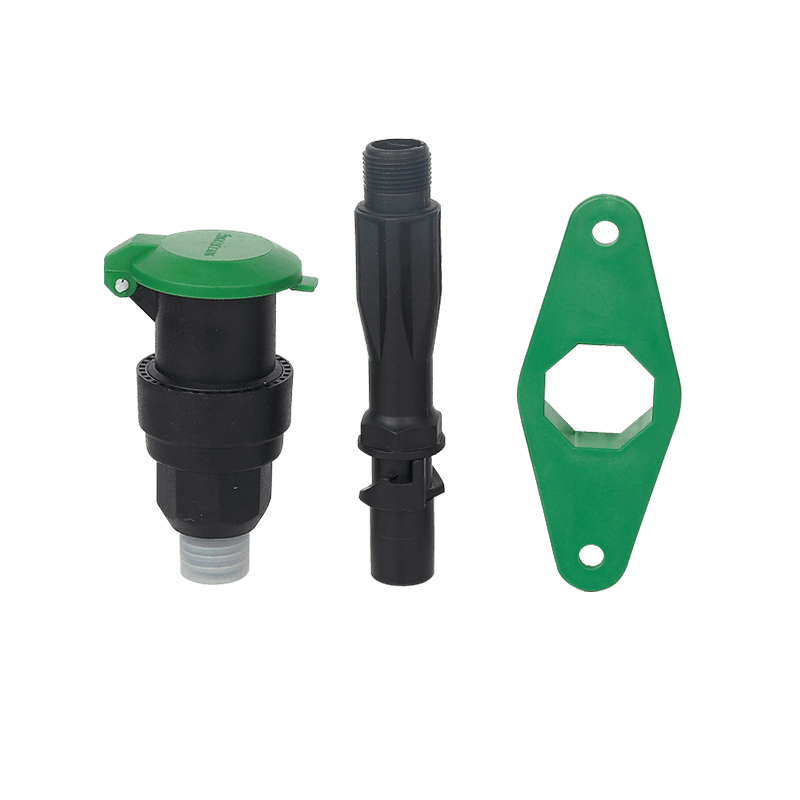
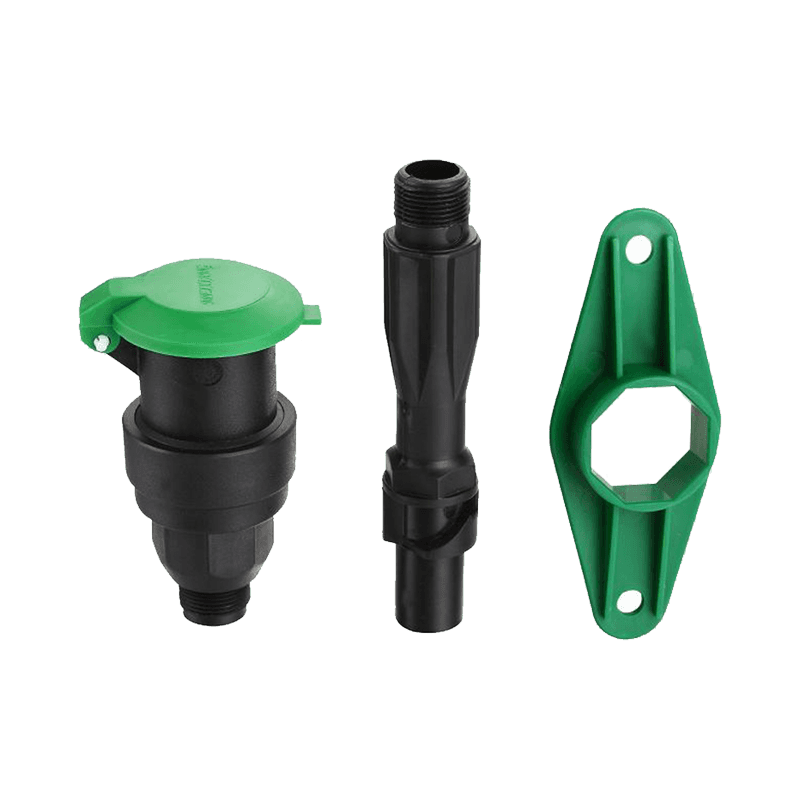
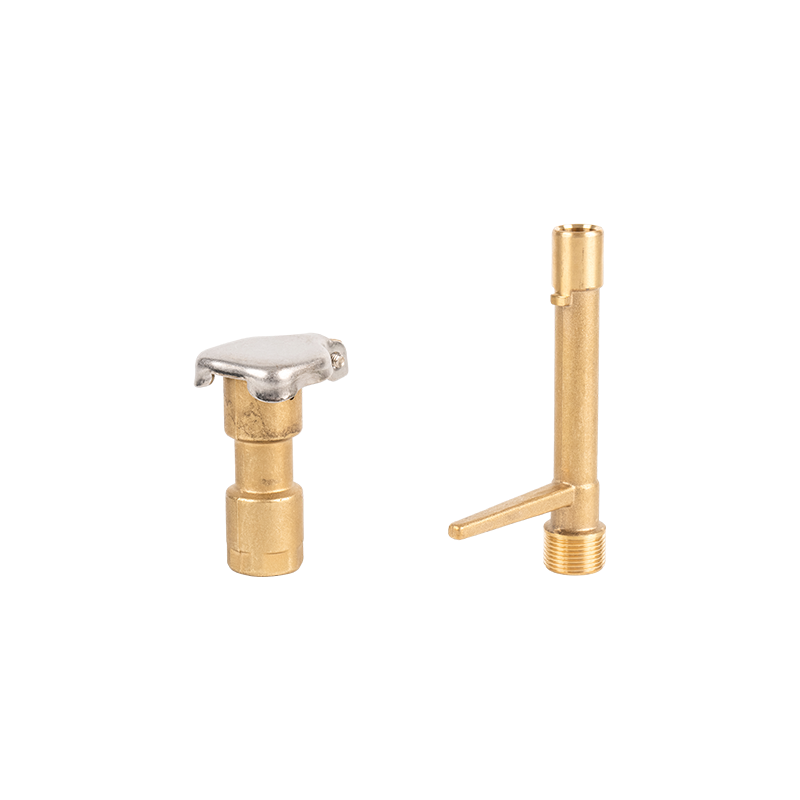
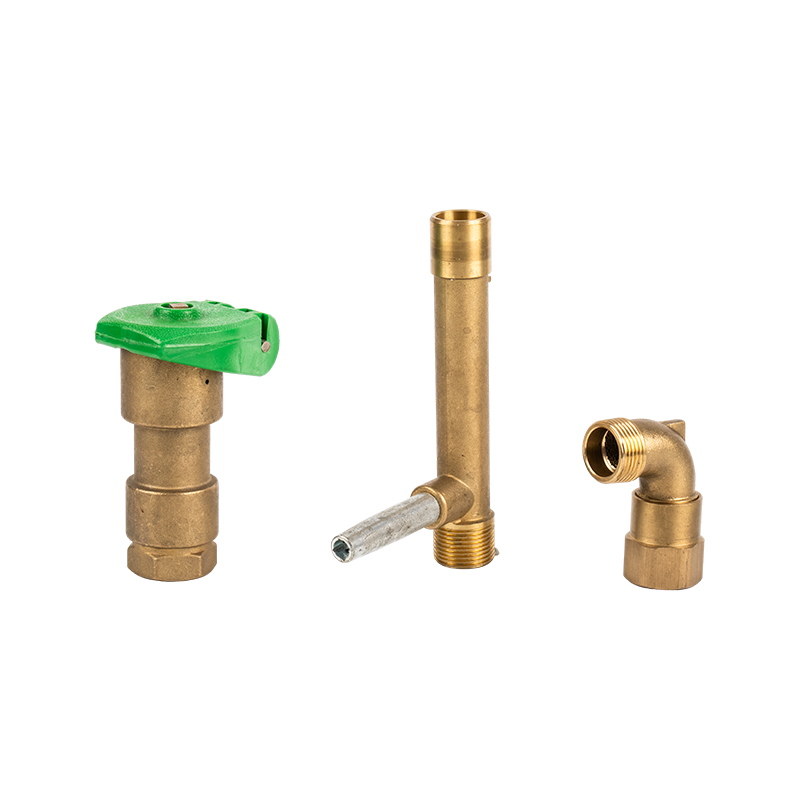
Enhanced durability and resistance to environmental stress: Many Irrigation Quick Coupling Valve designs are constructed using corrosion-resistant materials such as brass, stainless steel, or high-strength engineered plastics. These materials provide strong resistance to environmental factors commonly encountered in agricultural and landscaping environments, including soil exposure, moisture, chemical fertilizers, and temperature fluctuations. Traditional connection systems may degrade more quickly when exposed to these conditions, leading to leaks or mechanical failure. The robust construction of quick coupling valves supports long-term durability and consistent performance under demanding operating conditions.
Copyright © Ningbo Yourun Landscape Irrigation Co., Ltd. All Rights Reserved.

 English
 Español