 By Admin
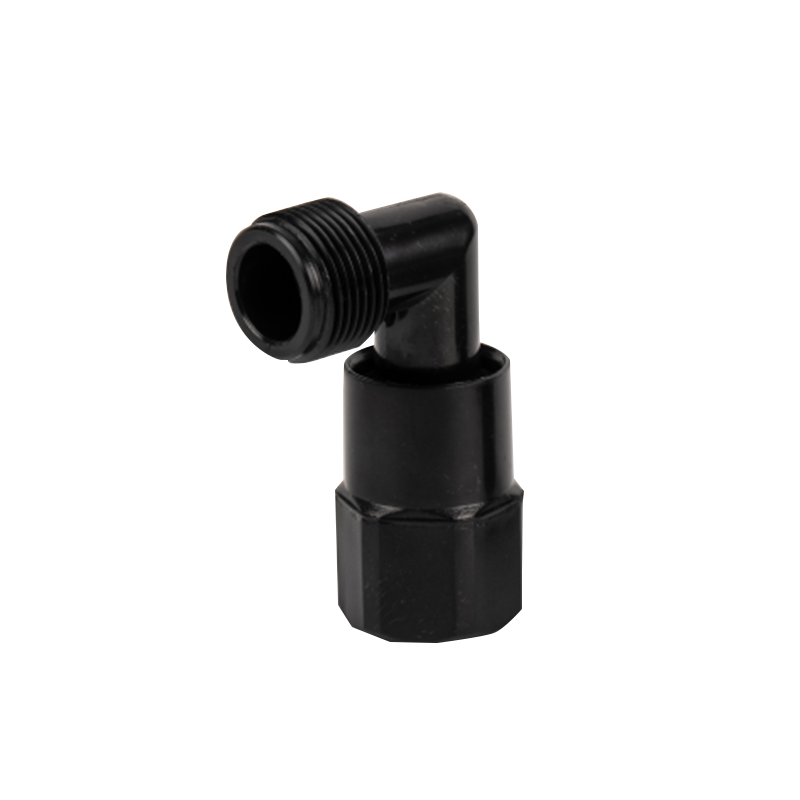
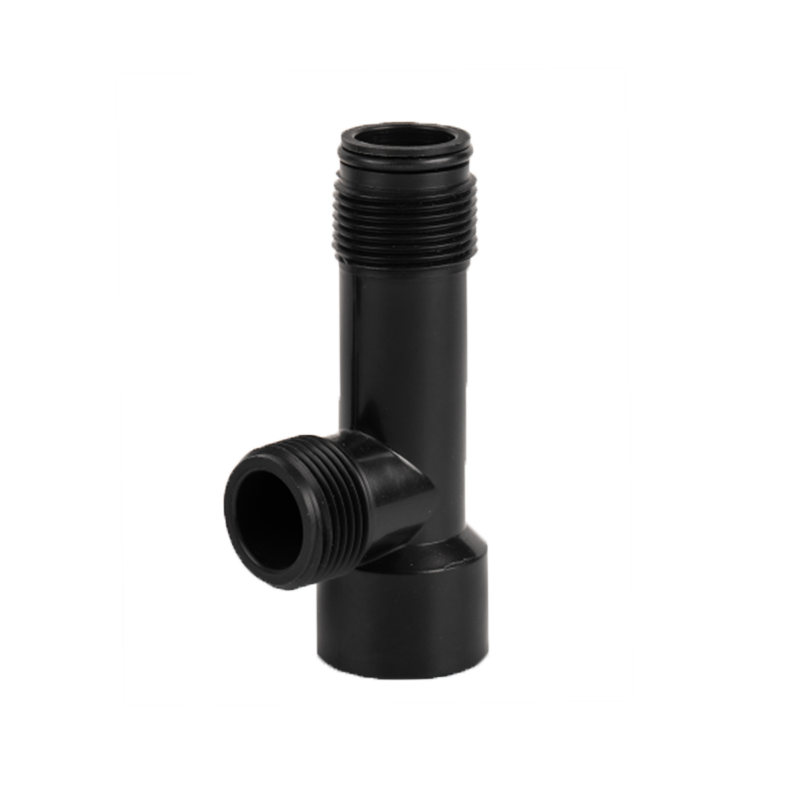
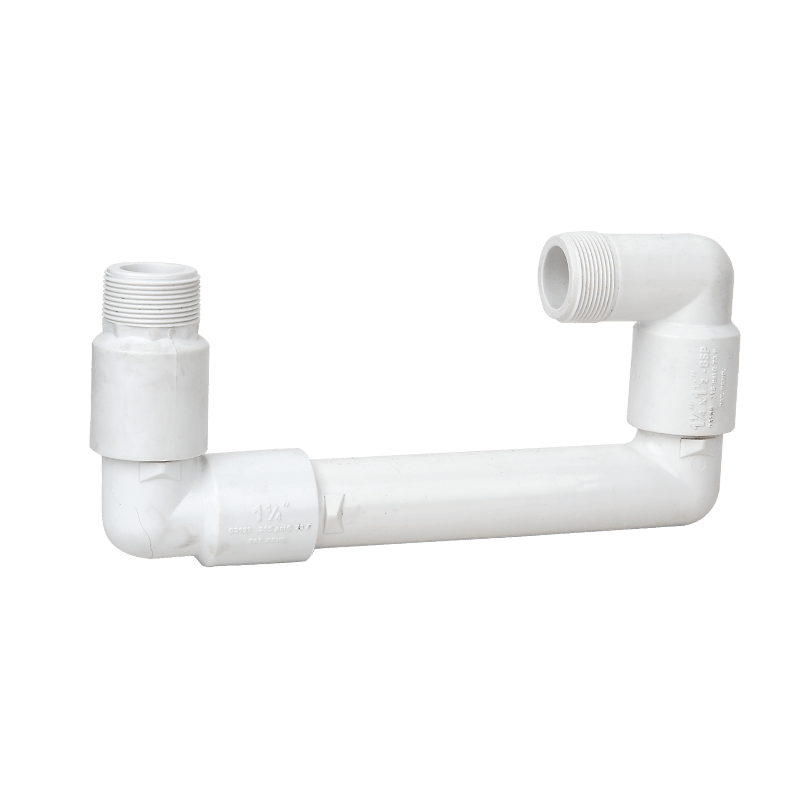
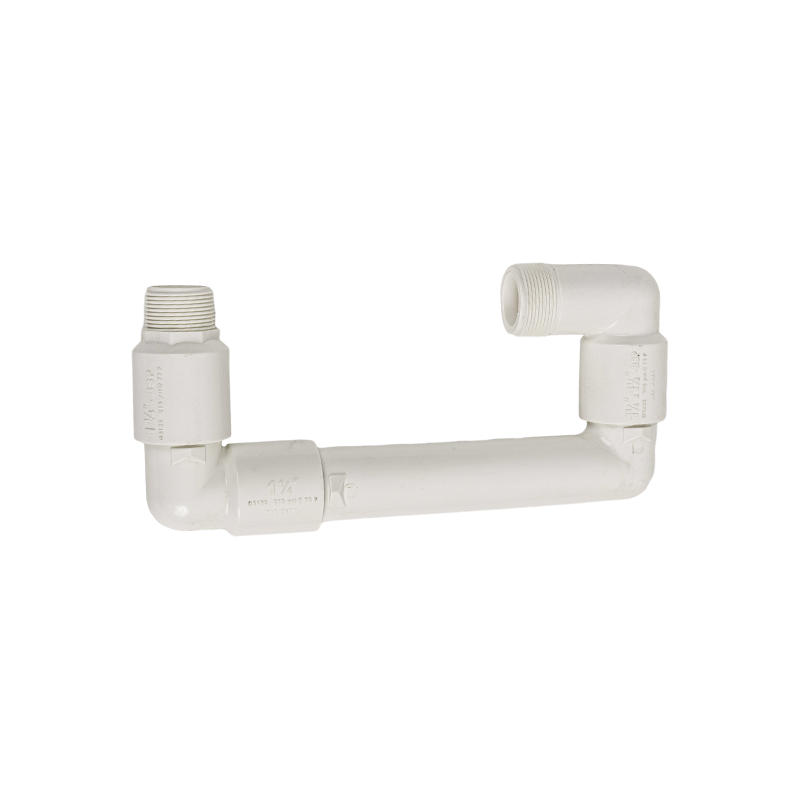
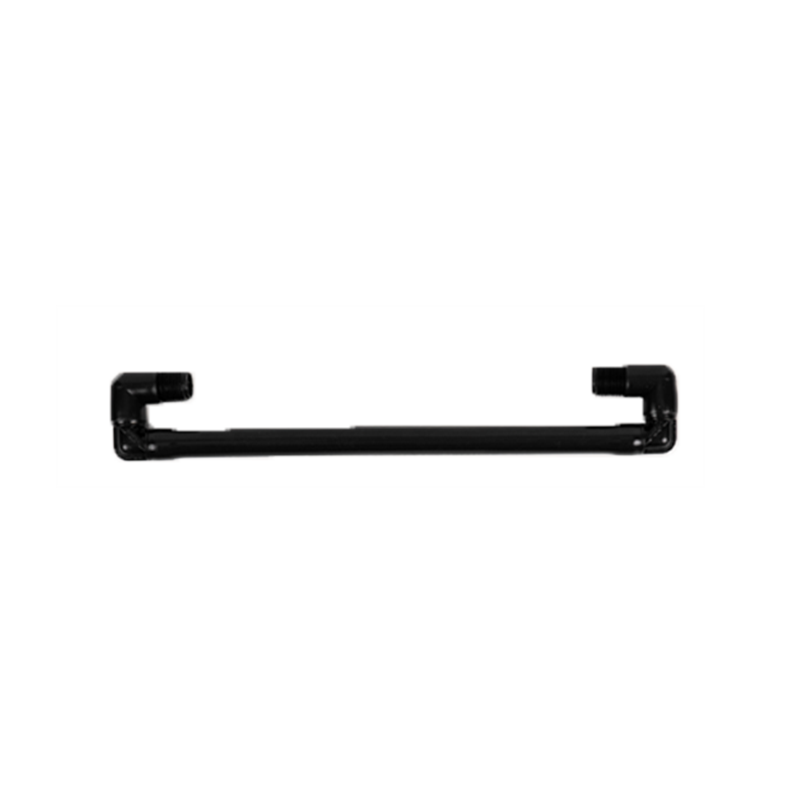
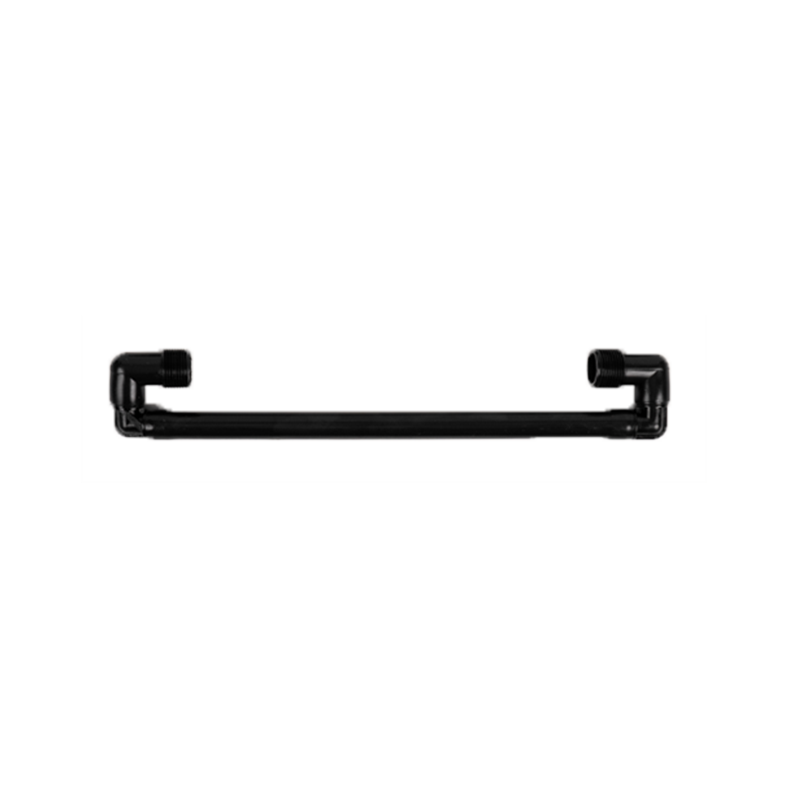
 A major advantage of the PE Irrigation Swing Joint is its ability to allow for adjustments in pipe alignment. Traditional rigid pipe systems are fixed and cannot adapt to changing ground conditions. In contrast, the swing joint utilizes a pivoting mechanism that allows connected pipes to move and adjust to varying angles, making it highly beneficial in situations where the terrain is uneven or subject to shifting. This flexibility ensures that the system maintains optimal functionality even when the landscape changes due to factors like soil settling or ground expansion. By accommodating these changes without requiring significant structural modifications, the swing joint minimizes the risk of pipe damage and maintains consistent water distribution across the irrigation system.
The installation process of a PE Irrigation Swing Joint is significantly simplified compared to rigid piping systems. Its flexible design means that the pipes can be maneuvered and adjusted easily during setup, which reduces the need for precise alignment and eliminates the time-consuming process of adjusting rigid connections. Installers can quickly adapt the swing joint to various configurations, saving both time and labor costs. Additionally, the ease of adjustment during installation also facilitates maintenance. In the event of system servicing or component replacement, the swing joint can be more easily manipulated and accessed, leading to quicker repairs and reduced downtime for the system.
Rigid piping systems are more prone to stress from external forces such as soil movement, fluctuations in water pressure, or thermal expansion. These stresses can lead to cracks, leaks, or broken pipes over time, which can compromise the efficiency of the irrigation system. The PE Irrigation Swing Joint mitigates this issue by incorporating pivoting joints that absorb and distribute forces more effectively. As the pipes are able to adjust and move with the environment, the stress on the system is reduced, preventing damage that might otherwise occur. This not only increases the longevity of the system but also ensures consistent operation, even under conditions of ground movement or environmental changes.
The flexibility of the PE Irrigation Swing Joint plays a crucial role in optimizing water flow and distribution across the irrigation system. Since the swing joint allows for precise adjustments to the angles of connected pipes, it ensures that the sprinklers or drip lines are positioned optimally for even water coverage. This is especially important in uneven or irregularly shaped landscapes, where traditional rigid systems might struggle to maintain consistent water delivery. The ability to adjust the direction and alignment of water outlets helps to ensure that water is evenly distributed without over-saturation in some areas and under-irrigation in others, improving the overall efficiency of the system. In turn, this reduces water waste and enhances the sustainability of the irrigation process.
Polyethylene (PE), the material used in PE Irrigation Swing Joints, is highly resistant to environmental challenges. Whether exposed to UV rays, extreme temperatures, or chemical substances commonly found in fertilizers or pesticides, polyethylene maintains its integrity, ensuring long-term durability. Rigid pipe systems, by contrast, can be more vulnerable to cracking or becoming brittle over time when subjected to harsh UV exposure or fluctuating temperatures. The PE Irrigation Swing Joint remains resilient in these conditions, making it particularly well-suited for agricultural environments, where pipes need to endure prolonged exposure to the elements without compromising performance. This durability contributes to lower maintenance costs and a longer service life for the irrigation system.
While the initial cost of a PE Irrigation Swing Joint may be slightly higher than traditional rigid pipe fittings, the long-term cost-effectiveness is significant. The flexibility offered by the swing joint reduces the need for expensive repairs or replacements caused by pipe breaks or misalignments. By preventing damage due to environmental factors or ground movement, the system requires fewer replacements and repairs. Additionally, the ability to adjust the pipes during installation and maintenance reduces labor costs, making the swing joint a more economical solution in the long term. The overall reliability and durability of the system reduce the total cost of ownership, making it an attractive choice for both residential and commercial irrigation systems.
Copyright © Ningbo Yourun Landscape Irrigation Co., Ltd. All Rights Reserved.

 English
 Español