 By Admin
 The ability of an Irrigation Micro Valve to withstand extreme temperatures begins with careful selection of construction materials. High-quality valves often utilize UV-resistant plastics, engineering-grade polymers, reinforced composites, or corrosion-resistant metals for critical components such as the valve body, actuator, and internal diaphragms. These materials are chosen specifically for their ability to maintain structural integrity and dimensional stability under both high heat and sub-zero conditions.
Seals and diaphragms, made from elastomers or specially formulated rubber compounds, are designed to remain flexible across a wide temperature range. This flexibility ensures the valve maintains a tight seal, prevents leaks, and allows smooth movement of internal components, even when the surrounding environment fluctuates drastically. High thermal resistance reduces the risk of cracking, warping, or deformation, which could compromise water flow, system pressure, or overall valve functionality. In addition, materials are often treated with additives or stabilizers to resist UV degradation in hot climates and brittleness in freezing temperatures.
Irrigation Micro Valves are often equipped or designed to accommodate freeze protection strategies, which are essential in regions experiencing sub-zero temperatures. One common approach is the use of self-draining valve designs, where residual water inside the valve automatically exits when the system is shut down, preventing ice formation within the valve chamber. This reduces internal pressure from expanding ice, which could otherwise crack the body or damage internal seals.
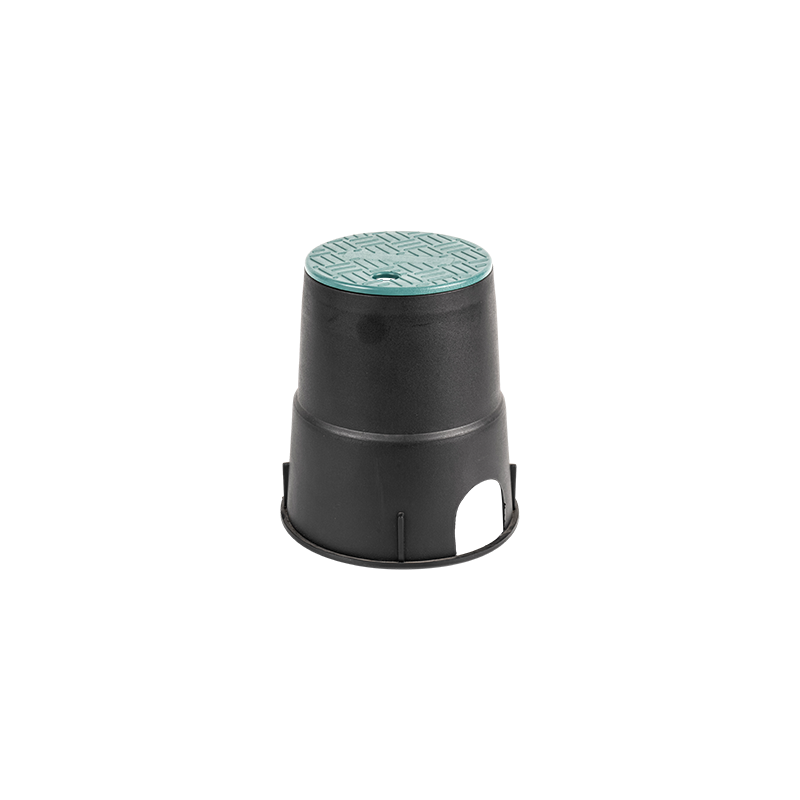
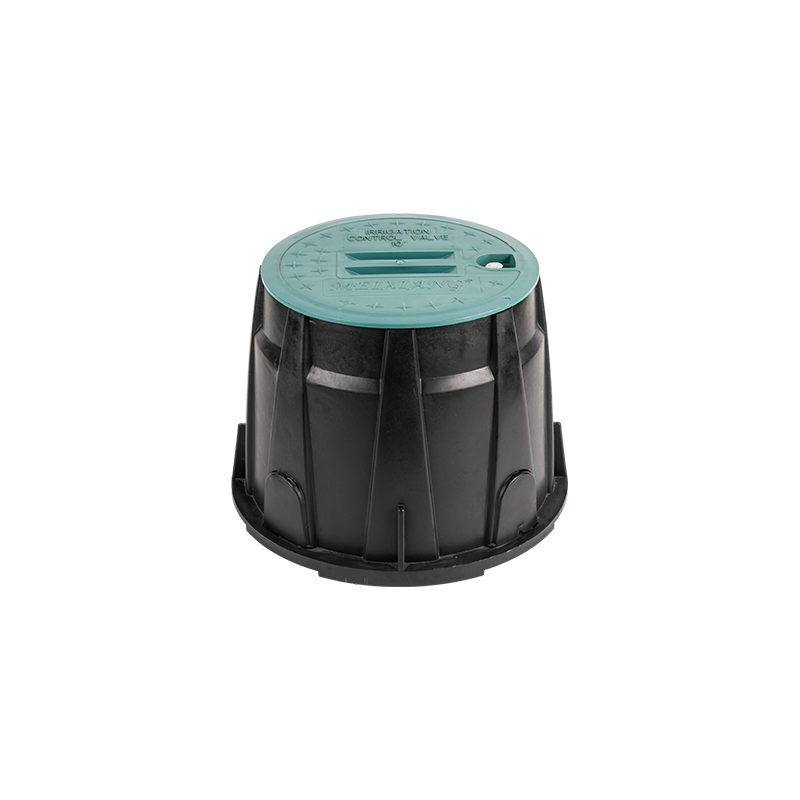
For additional protection, valve enclosures or insulated housings can be installed to shield the valve from direct exposure to cold air or frost. In automated irrigation systems, winterization protocols are often employed, including system flushing, valve deactivation, and removal of sensitive components. Some high-end valves are compatible with antifreeze solutions or glycol-based fluids for temporary cold-season operation, offering protection while maintaining the ability to operate under low-temperature conditions. These combined strategies significantly reduce the risk of valve failure during freezing conditions.
Irrigation Micro Valves are equally challenged in hot climates where temperatures can exceed 40°C (104°F) or higher. Direct sunlight and prolonged exposure to heat can cause warping, softening, or degradation in poorly engineered components. High-quality valves employ UV-stabilized plastics and heat-resistant metals to prevent such damage. Elastomeric seals are also formulated to maintain flexibility and sealing properties under sustained high temperatures.
Some valves feature reflective housings or ventilation channels to mitigate heat accumulation around sensitive components. By maintaining structural integrity and preventing thermal expansion from impeding movement, these design choices ensure the valve delivers precise water flow consistently, even under harsh conditions. High-temperature tolerance is particularly critical for micro-irrigation systems, where minor variations in valve operation can result in uneven water distribution and stress on crops or landscape installations.
Temperature fluctuations, especially daily cycles between extreme heat and freezing conditions, can cause components to expand or contract. The design of an Irrigation Micro Valve accommodates these variations through carefully engineered tolerances between moving parts. The body, diaphragm, and seals are dimensioned to maintain smooth operation despite thermal movement, preventing binding, sticking, or leakage.
Material compatibility is also crucial: components with similar thermal expansion coefficients ensure that seals remain compressed properly and the actuator moves freely without excessive friction. By engineering the valve to handle temperature-induced dimensional changes, manufacturers ensure reliable operation in climates with large diurnal or seasonal variations, maintaining precise water flow and consistent irrigation performance.
The ability of an Irrigation Micro Valve to operate reliably across extreme temperatures is closely linked to its integration into the irrigation system. Valves are designed to interface with controllers, solenoids, and sensors that may themselves be affected by temperature. High-quality valves maintain functional responsiveness, quick opening and closing, and accurate flow modulation regardless of environmental conditions.
When combined with proper installation practices—such as avoiding direct exposure to freezing water or sun, providing insulation where needed, and ensuring correct mounting—these valves continue to perform reliably. This ensures plants receive consistent water delivery, and the irrigation system operates efficiently without unnecessary interruptions due to temperature-induced malfunctions.
Copyright © Ningbo Yourun Landscape Irrigation Co., Ltd. All Rights Reserved.

 English
 Español