 By Admin
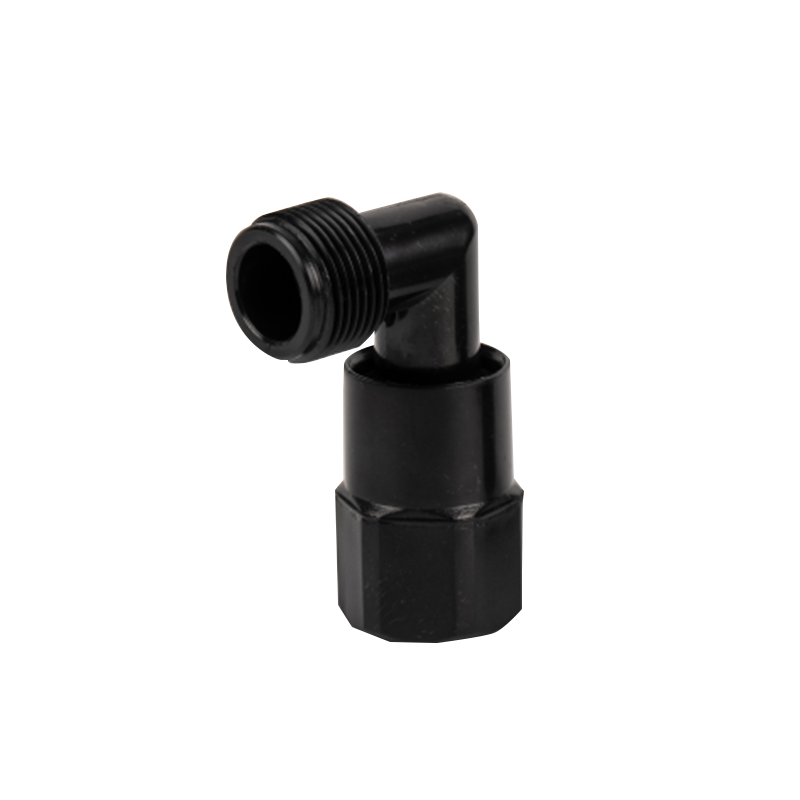
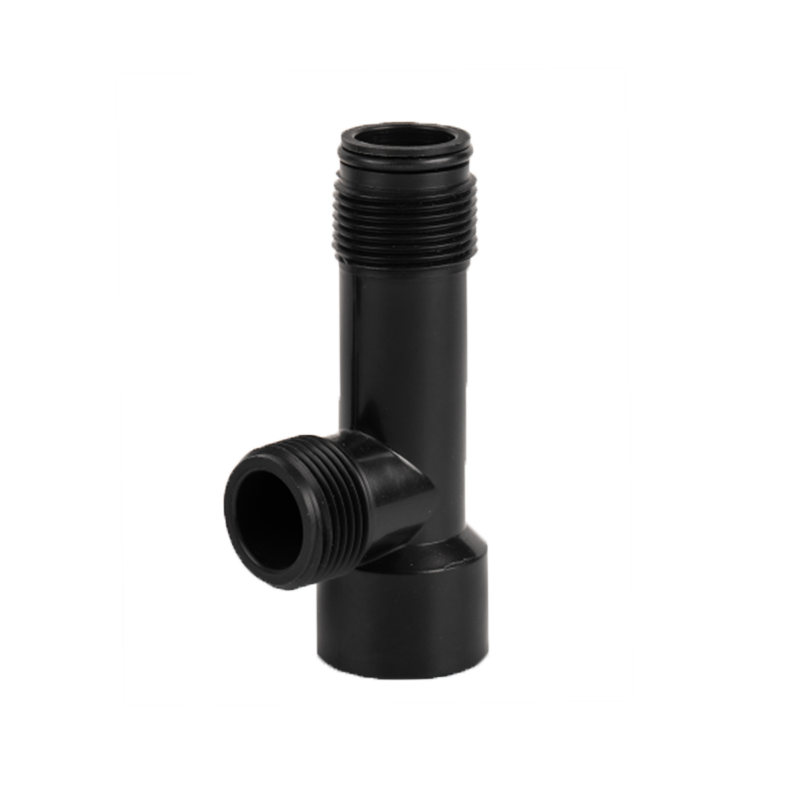
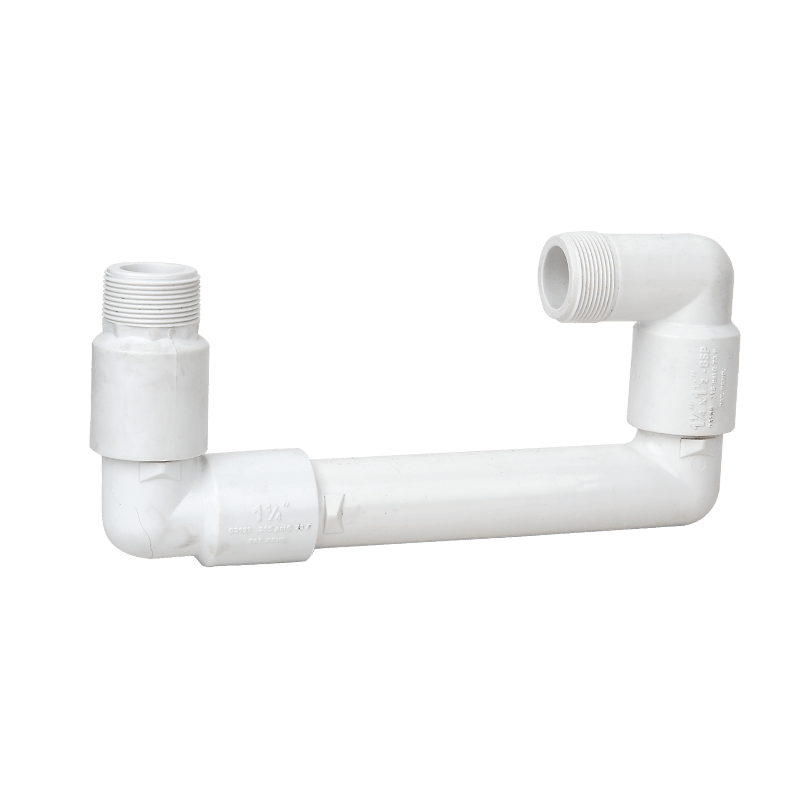
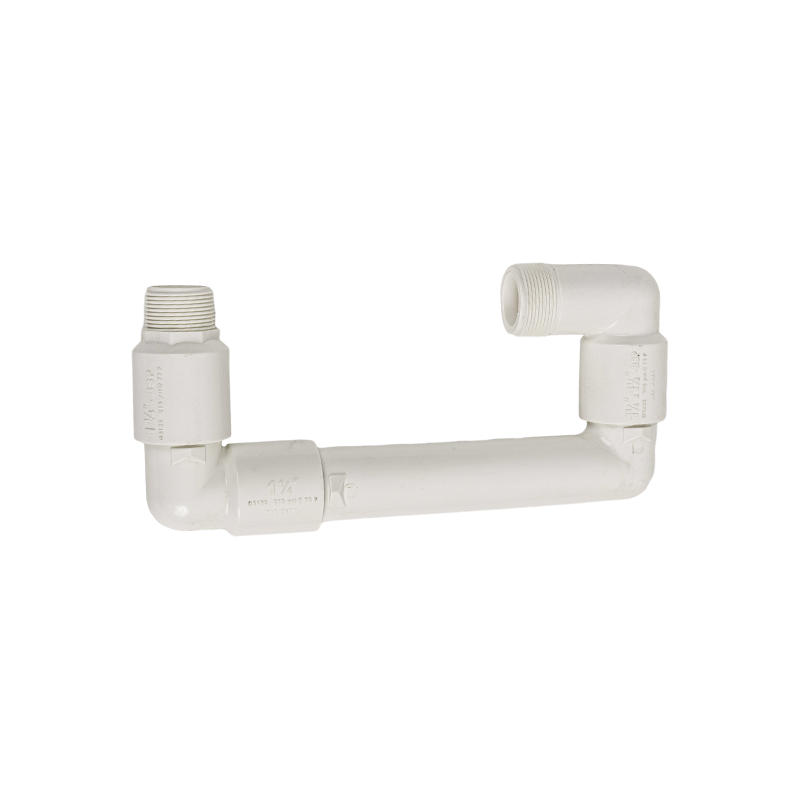
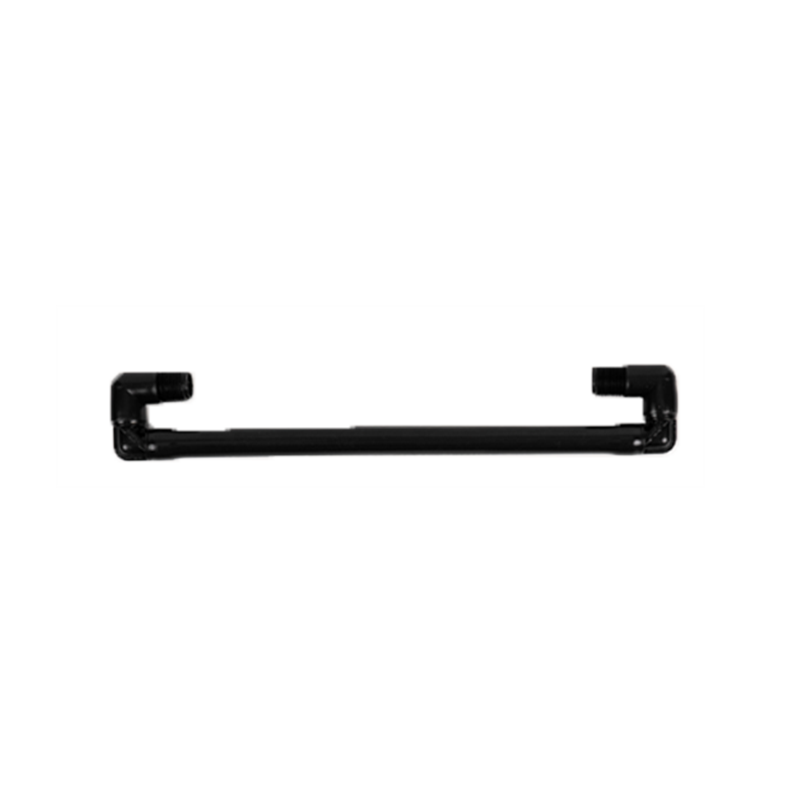
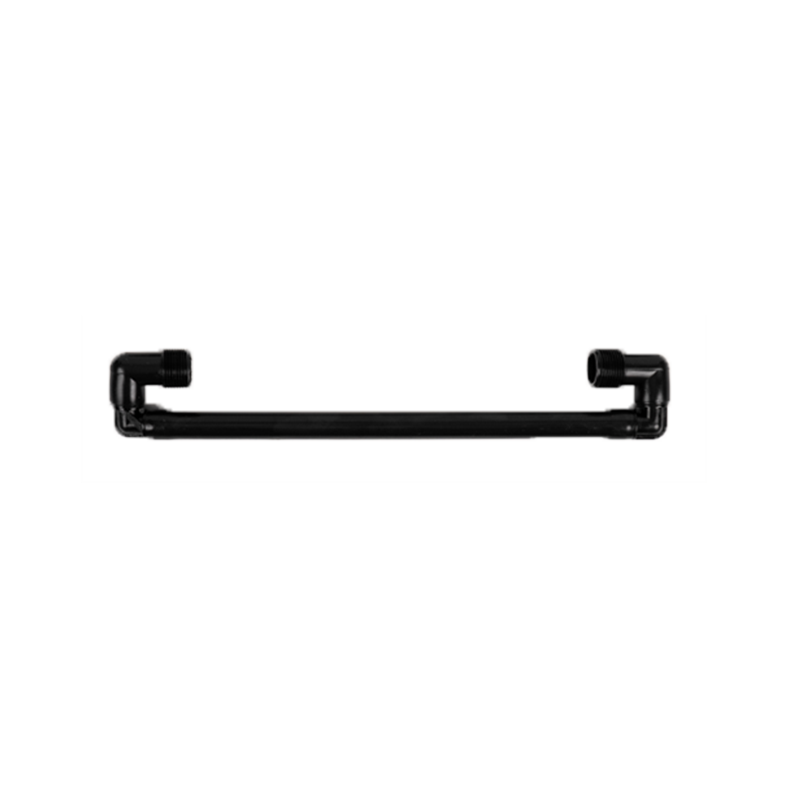
 Irrigation Swing Joint significantly improves both water efficiency and uniformity of distribution by allowing precise positioning of sprinkler heads, reducing mechanical stress, and maintaining optimal spray patterns. By absorbing ground movement and preventing misalignment, it ensures that water is delivered evenly across the intended area, minimizing waste and enhancing irrigation performance. In practical terms, systems using an Irrigation Swing Joint can achieve up to 15–25% better water distribution uniformity compared to rigid riser setups, particularly in landscapes subject to soil shifting or external pressure. Water efficiency in irrigation systems depends heavily on the correct alignment of sprinkler heads. Even slight deviations can lead to overspray, runoff, or dry patches. An Irrigation Swing Joint enables flexible positioning, allowing installers to adjust the height, angle, and orientation of each sprinkler head with precision. Without this flexibility, rigid connections often result in tilted or sunken sprinkler heads over time. This misalignment can reduce coverage efficiency by 10–20%, especially in uneven terrain. The Irrigation Swing Joint mitigates this issue by maintaining consistent positioning even after installation. Uniform water distribution ensures that all areas receive the correct amount of irrigation, which is critical for plant health and water conservation. The Irrigation Swing Joint provides multi-directional flexibility, allowing sprinkler heads to remain level and correctly oriented. As a result, systems incorporating an Irrigation Swing Joint often achieve higher distribution uniformity (DU), a key metric in irrigation design. A well-designed system can reach a DU of 75–85%, compared to 60–70% in poorly aligned systems. Mechanical damage is a major contributor to water inefficiency. Sprinkler heads connected via rigid risers are more vulnerable to breakage from lawn equipment, foot traffic, or soil settling. When damaged, these components can leak or spray water irregularly. The Irrigation Swing Joint acts as a buffer, absorbing impact and reducing stress on the system. This leads to: Studies show that preventing even minor leaks can save thousands of liters of water annually in medium-sized irrigation systems. Over time, irrigation systems experience wear due to environmental factors such as soil movement, temperature fluctuations, and usage patterns. The Irrigation Swing Joint plays a critical role in maintaining long-term efficiency by accommodating these changes without compromising performance. Systems equipped with Irrigation Swing Joint components often maintain their original efficiency levels for longer periods, reducing the need for recalibration or redesign. This translates into: The benefits of an Irrigation Swing Joint are particularly evident in large-scale or high-traffic environments such as golf courses, sports fields, and commercial landscapes. In these settings, maintaining uniform water distribution is essential for both aesthetics and functionality. For example, a golf course irrigation system upgraded with Irrigation Swing Joint components reported a 20% reduction in water usage while achieving more consistent turf quality. Similarly, municipal parks have observed fewer maintenance issues and improved system reliability after adopting swing joints. From a user’s perspective, the Irrigation Swing Joint is not just a connector but a critical component that directly influences system performance. Its ability to enhance alignment, absorb stress, and maintain consistent operation makes it indispensable for efficient irrigation. Ultimately, investing in an Irrigation Swing Joint leads to measurable improvements in both performance and sustainability, making it a best practice in modern irrigation system design.How an Irrigation Swing Joint Impacts Performance
Role of Proper Sprinkler Alignment in Water Efficiency
How Flexibility Enhances Uniform Water Distribution
Reduction of Water Waste Through Damage Prevention
Performance Comparison: Swing Joint vs. Rigid Riser
Parameter
Irrigation Swing Joint
Rigid Riser
Alignment Stability
High
Low to Moderate
Water Efficiency
85–95%
70–85%
Damage Resistance
Excellent
Poor
Maintenance Frequency
Low
High
Impact on Long-Term System Efficiency
Practical Applications and Real-World Examples
Key Takeaways for Users
Copyright © Ningbo Yourun Landscape Irrigation Co., Ltd. All Rights Reserved.

 English
 Español