 By Admin
 Reduced Friction Loss
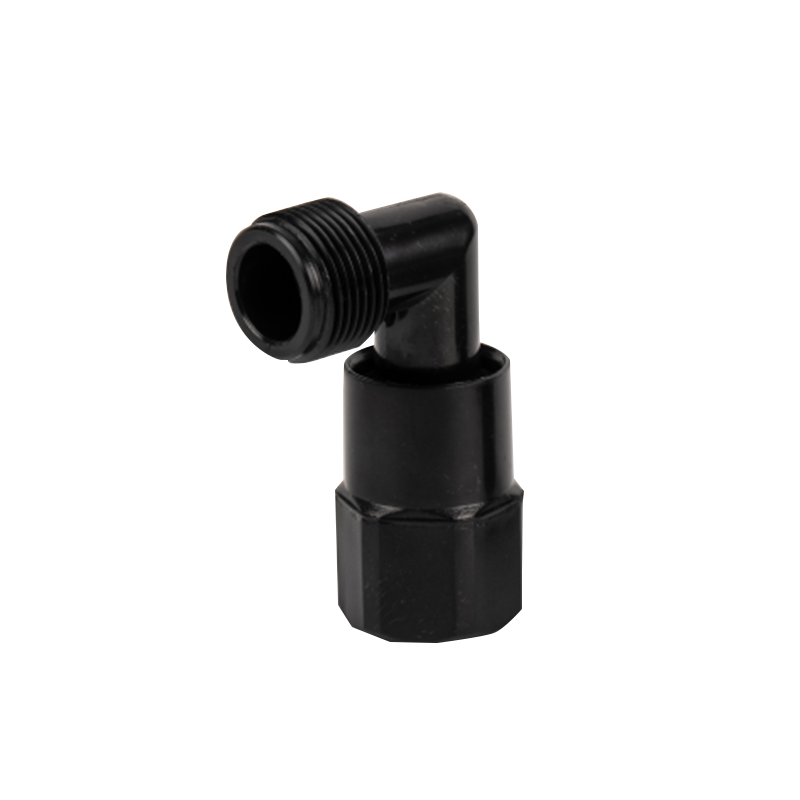
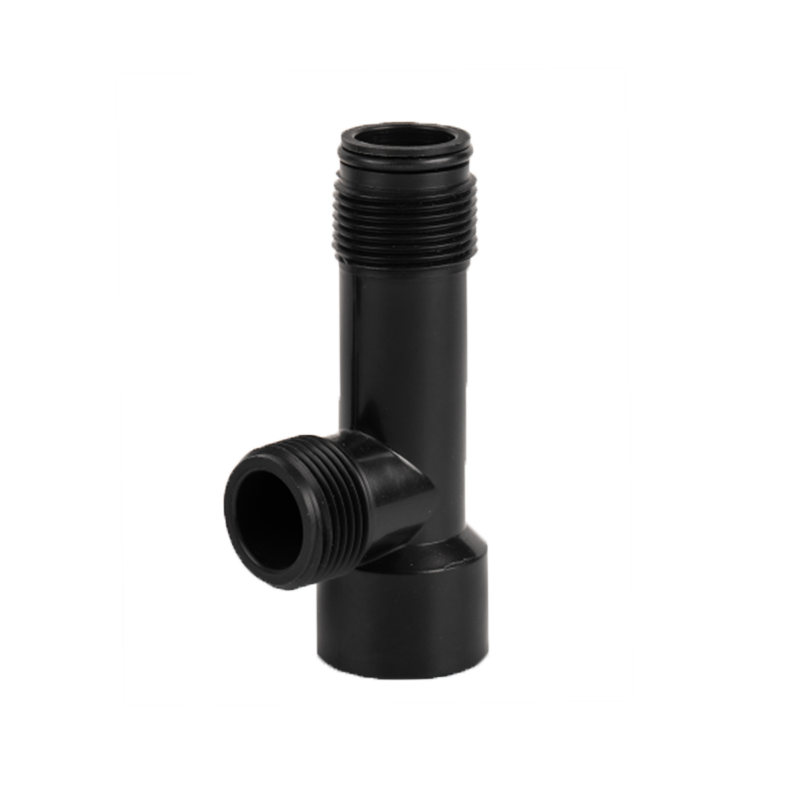
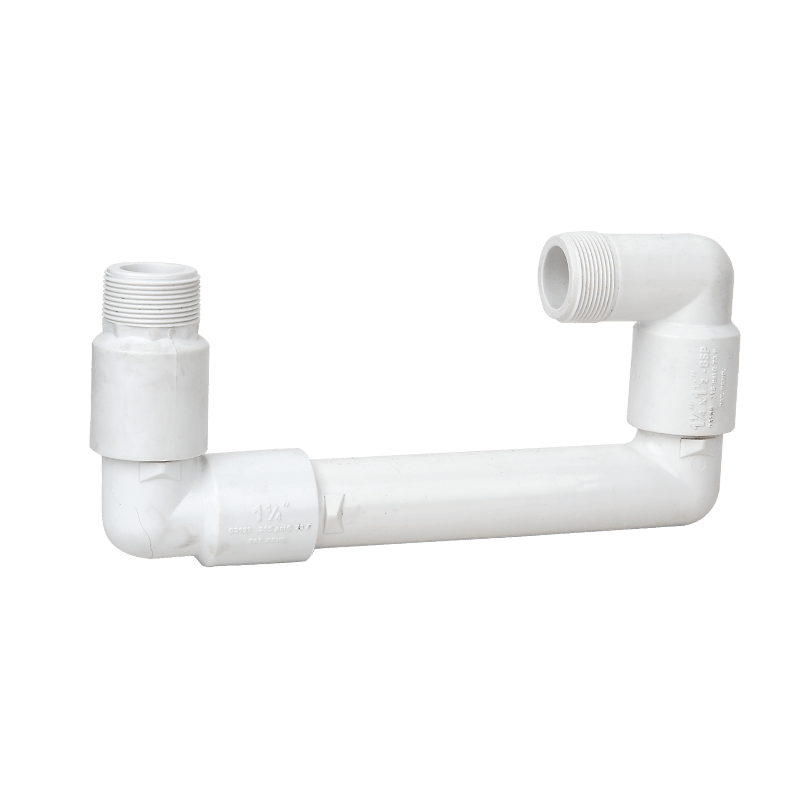
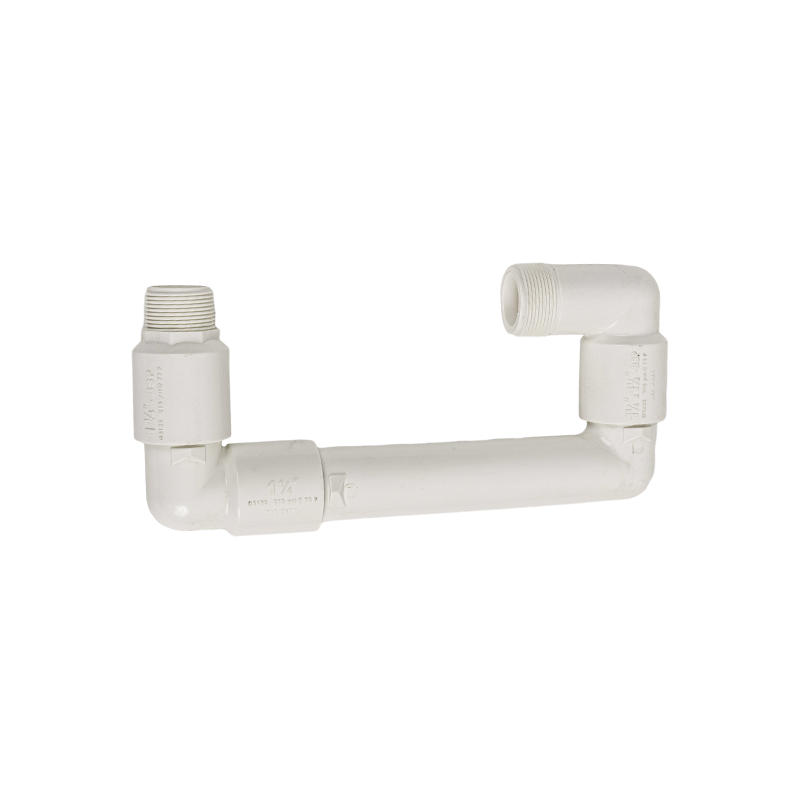
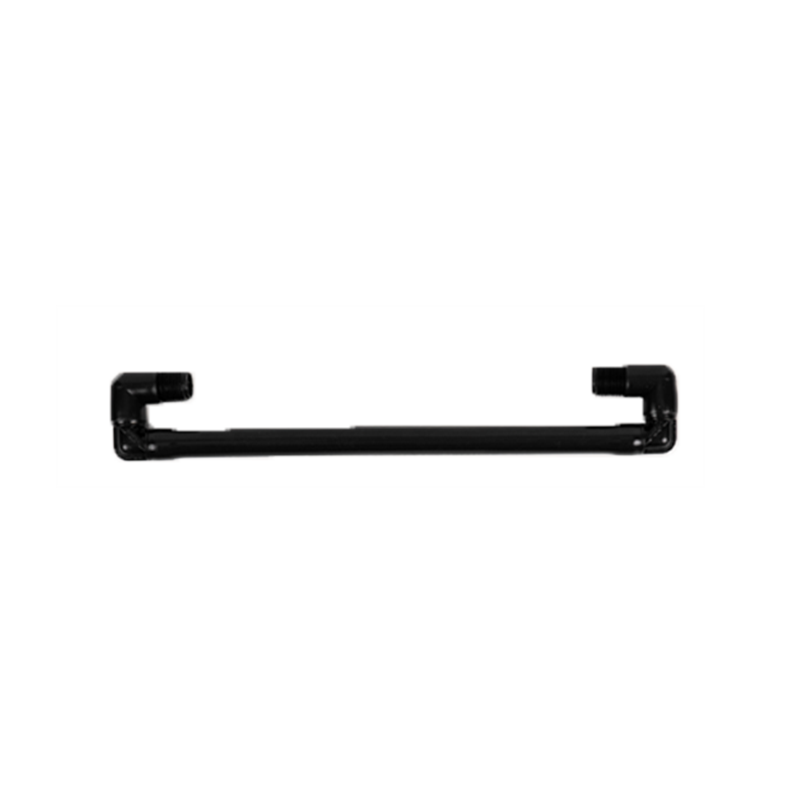
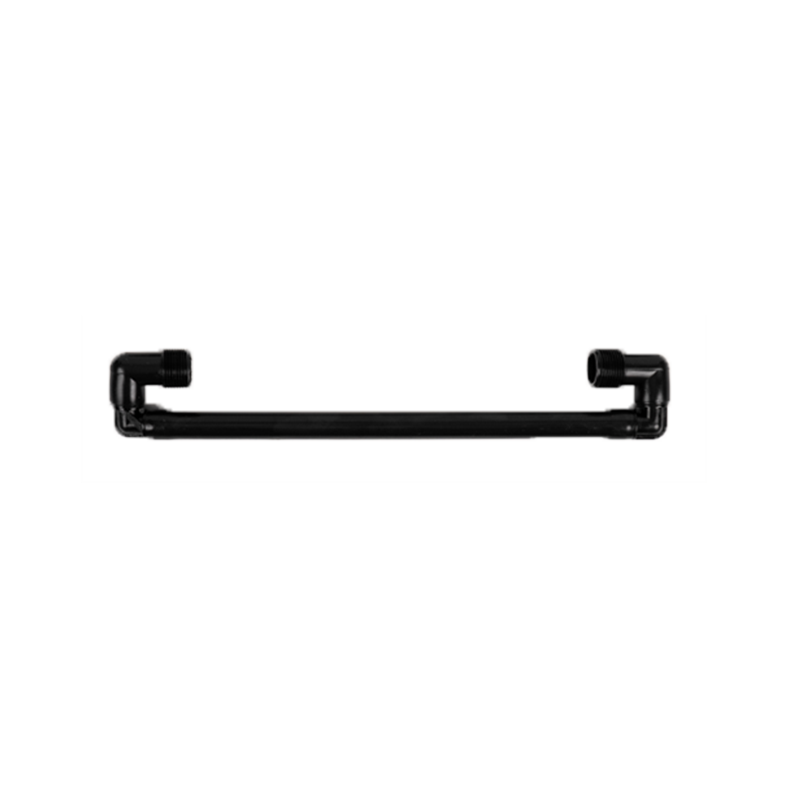
The flexible nature of the PVC Irrigation Swing Joint ensures that water flows more smoothly compared to rigid PVC piping. In a traditional rigid system, any misalignments, bends, or kinks in the piping can significantly increase friction, which in turn leads to water flow inefficiencies. This can cause a drop in pressure, affecting the overall irrigation performance. The swing joint’s ability to adjust to different angles and alignments effectively minimizes these friction losses, allowing water to flow more efficiently, reducing energy consumption, and ensuring a more consistent pressure throughout the system. By minimizing friction, the system maintains optimal flow rates, which is especially crucial in large or complex irrigation setups.
Enhanced Flexibility and Movement
A PVC Irrigation Swing Joint provides dynamic flexibility, allowing components like sprinkler heads to maintain their optimal positions despite changes in the system’s alignment. Unlike rigid PVC, which is unable to accommodate ground movement, pressure fluctuations, or minor misalignments without compromising water flow, the swing joint absorbs such shifts seamlessly. This ensures that water delivery remains uninterrupted and efficient even as external factors like settling soil or shifting pipes cause movement. This capacity to adjust and "swing" allows for a more stable flow and can be crucial in preventing blockages, bends, or leaks that may arise from rigid systems unable to adapt to such variables.
Minimizing Blockages
The inherent flexibility of a PVC Irrigation Swing Joint plays a key role in reducing the likelihood of blockages within the system. Ground shifts or water pressure fluctuations can misalign rigid pipes, creating areas where water flow may be obstructed or restricted. In contrast, a swing joint's ability to absorb these changes helps maintain a straight, unobstructed path for water to flow freely. This is especially important in systems where soil movement or external forces can affect the position of irrigation pipes. By minimizing potential obstructions, the swing joint ensures more efficient and continuous water flow, preventing issues like localized pressure drops or uneven water distribution that can result from rigid piping.
Reduced Stress on Components
Rigid PVC systems are vulnerable to stress at joints, fittings, and connections, especially in areas where ground movement or pressure fluctuations occur. Over time, these stresses can lead to leaks, cracks, or even full system failure, which not only disrupts irrigation but also leads to costly repairs. The PVC Irrigation Swing Joint, however, acts as a buffer by absorbing these pressures and preventing them from being transferred to other parts of the system. By mitigating the stress that rigid pipes would otherwise impose on fittings, valves, and joints, the swing joint helps extend the lifespan of the entire irrigation system, reducing the likelihood of premature wear and tear, and contributing to the overall durability and reliability of the system.
Improved Distribution at Sprinkler Heads
One of the most significant advantages of a PVC Irrigation Swing Joint is its ability to maintain optimal positioning of sprinkler heads. Rigid piping systems often result in misaligned sprinklers due to ground shifts or pressure changes, which can lead to uneven water distribution across the field. In contrast, the flexibility of a swing joint allows the sprinkler heads to stay correctly aligned, ensuring uniform irrigation coverage. This precise alignment is essential for maximizing water use efficiency and preventing dry spots or overwatering in certain areas. By providing constant and even pressure to each sprinkler, the swing joint ensures that water is distributed accurately, improving crop yields and reducing water waste.
Less Need for Fittings and Adjustments
Rigid PVC systems often require multiple fittings, elbows, and connectors to accommodate changes in direction or positioning, each of which can introduce points of resistance that slow down water flow. In addition to increasing friction losses, these extra components can also be sources of potential leaks or weak spots in the system. The PVC Irrigation Swing Joint, with its integrated flexibility, reduces the need for excessive fittings or adjustments, streamlining the installation process and eliminating unnecessary complexity. With fewer parts in the system, there are fewer potential points of failure, leading to a more efficient, reliable, and low-maintenance irrigation setup. Furthermore, this reduction in fittings lowers both the initial cost of installation and the long-term maintenance costs of the system.
Copyright © Ningbo Yourun Landscape Irrigation Co., Ltd. All Rights Reserved.

 English
 Español